
 Title: In the First Circle (Goodreads)
Author: Aleksandr Solzhenitsyn
Translator: Harry Willets
Published: Harper Perennial, 1968
Pages: 784
Genres: Classic
My Copy: Paperback
Buy: Amazon, Book Depository, Kindle (or visit your local Indie bookstore)
Moscow, Christmas Eve 1949; a man makes a phone call to the American embassy to warn them about the Soviet Atom Bomb project. This call was caught on tape and quickly disconnected by The People’s Commissariat for Internal Affairs (NKVD). A brilliant mathematician named Gleb Nerzhin, was taken as a sharashka (known as zeks) prisoner and ordered to help track down the mystery caller. The zeks know that they have it better than a “regular” gulag prisoners but they are faced with the moral dilemma; to aid a political system they oppose or be transferred to the deadly labour camps.
Aleksandr Solzhenitsyn is a Russian author as well as a historian; he was also a critic of Soviet totalitarianism which found himself in prison much like Gleb Nerzhin. He was accused of anti-revolutionary propaganda under Russian SFSR Penal Code (Article 58 paragraph 10) which is a ‘catch-all’ criminal offence that could be used against anyone that might threaten the government. During the period of Stalinism, the crime of “propaganda and agitation that called to overturn or undermining of the Soviet power” jumped from a six month prison sentence to seven years of imprisonment, with possible internal exile for two to five years. On 7 July 1945, Solzhenitsyn was sentenced to seven years in a labour camp for comments he made in private letters to a friend. After his sentence ended, Solzhenitsyn was then internally exiled for life at Kok-Terek, which is in the north-eastern region of Kazakhstan.
The First Circle was self-censored before Aleksandr Solzhenitsyn even attempted to get it published in 1968. Originally the book was 96 chapters long but the censorship turned the novel into 87 chapters. Some changes included the man telling another doctor to share some new medicine with the French instead of warning the Americans about the atom bomb. All mention of the Roman Catholics and religion was also removed. It wasn’t till 2009 a new English translation (not sure of the details on the Russian editions) saw the book restored and uncensored; now with the title In The First Circle.
The title alone is fascinating and it allows the reader to pick up on the whole metaphor before starting the novel. Looking at Dante’s Inferno, it is easy to find that the first circle of hell is limbo. In the epic poem Virgil introduces Dante to people like Socrates, Plato, Homer, Horace and Ovid. The time between Jesus’ crucifixion and resurrection is often referred to as the Harrowing of Hell, in which he descended into limbo and brought salvation to the righteous. However in Dante’s Inferno this meant that Christ saved people like Noah, Moses, Abraham and King David, but a lot of the intellectuals where left. This is metaphor for the penal institutions, making reference to all the intellectuals and political thinkers arrested under Stalin’s Russia.
This novel made me feel a lot smarter than I actually am, there is a lot of information within In The First Circle however Aleksandr Solzhenitsyn presented them in accessible way. Going into the book I knew a little about Solzhenitsyn’s life and the metaphor in the title was explained in the Goodreads synopsis. So I was able to witness how everything came together without doing any research. The book sometimes goes into Russian history; I was fascinated with everything I learnt.
I have read so many books set in Cold War Russia but I don’t think there have been many actually written by a Russian. Aleksandr Solzhenitsyn has lead an interesting life and I am keen to read more of his novels before attempting The Gulag Archipelago, his three volume book on the history of a gulag labour camp. If you have paid attention to my best of 2014 list you would have noticed that In The First Circle did make the list. This was a wonderful book that was both thrilling and educational, I would recommend it to anyone interested in Russian history, especially the Cold War era.
 Title: The Circle (
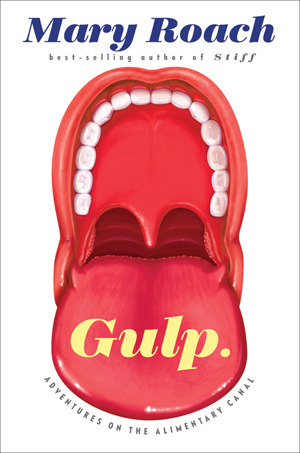 Why is crunchy food so appealing? Why is it so hard to find words for flavours and smells? Why doesn’t the stomach digest itself? How much can you eat before your stomach bursts? Can constipation kill you? Did it kill Elvis? In Gulp we meet scientists who tackle the questions no one else thinks of–or has the courage to ask.
 A guy walks into a bar car and…From here the story could take many turns. When this guy is David Sedaris, the possibilities are endless, but the result is always the same: he will both delight you with twists of humour and intelligence and leave you deeply moved. Let’s Explore Diabetes with Owls is David Sedaris humourous collection of essays that cover a range of topics.
 Ursula Todd is born in a snowstorm in England in 1910 but dies before she can take her first breath. During that same snowstorm she was born again and lives to tell the tale; again and again.
 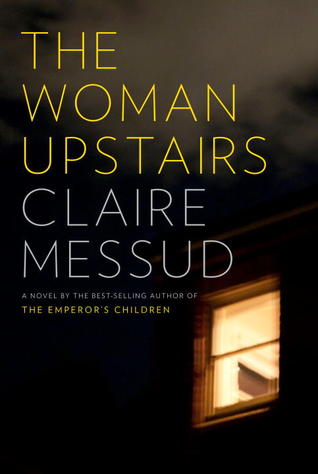 Nora Eldridge, a 37-year-old elementary school teacher in Cambridge, Massachusetts, is on the verge of disappearing. Having abandoned her desire to be an artist, she has become the “woman upstairs,” a reliable friend and tidy neighbour always on the fringe of others’ achievements. The Woman Upstairs is a masterly told story of America today, of being a woman and of the exhilarations of love.
 One last Sookie Stackhouse adventure; Life has taken her from a waitress in Merlotte’s Bar, Bon Temps, to part owner; from social outcast to the heart of her community; from a vampire’s girlfriend to the wife of one of the most powerful vampires in the state. She has survived earthquakes, revolutions and attempts on her life. Dead Ever After is the final chapter in this much loved series.
 In the heart of Italy, Harvard professor of symbology Robert Langdon is drawn into a harrowing world centred on one of history’s most enduring and mysterious literary masterpieces . . . Dante’s Inferno. From the bestselling thriller author that brought us The Da Vinci Code, Angels and Demon’s comes the forth book in the Robert Langdon series, Inferno.
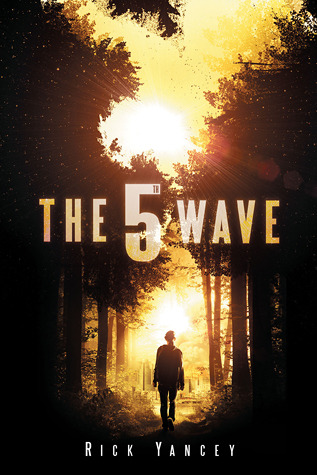 The 1st Wave took out half a million people.
 Rose Baker seals men’s fates. With a few strokes of the keys that sit before her, she can send a person away for life in prison. She is The Other Typist, an office girl in a New York City Police Department precinct. Confessions are her job. It is 1923, and while she may hear every detail about shootings, knifings, and murders, as soon as she leaves the interrogation room she is once again the weaker sex, best suited for filing and making coffee.
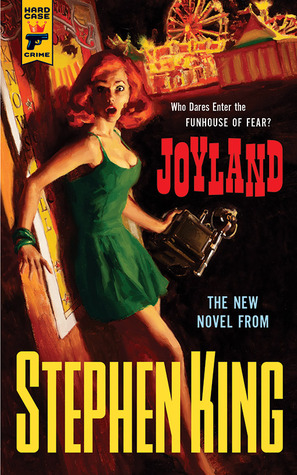 College student Devin Jones took the summer job at Joyland hoping to forget the girl who broke his heart. But he wound up facing something far more terrible: the legacy of a vicious murder, the fate of a dying child, and dark truths about life—and what comes after—that would change his world forever.
 In a futuristic world nearly destroyed by religious extremists, Justin March lives in exile after failing in his job as an investigator of religious groups and supernatural claims. Gameboard of the Gods, the first installment of Richelle Mead’s Age of X series, will have all the elements that have made her YA Vampire Academy and Bloodlines series such mega successes: sexy, irresistible characters. romantic and mythological intrigue, and relentless action and suspense.
 A groundbreaking work from a master, The Ocean at the End of the Lane is told with a rare understanding of all that makes us human, and shows the power of stories to reveal and shelter us from the darkness inside and out. It is a stirring, terrifying, and elegiac fable as delicate as a butterfly’s wing and as menacing as a knife in the dark.
 The National Book Award-winning author of Let the Great World Spin by Colum McCann comes an astonishing new novel,