Tag: Historical Fiction

Wolf Totem by Jiang Rong

Posted May 30, 2015 by Michael @ Knowledge Lost in Book of the Month, Historical Fiction / 0 Comments

Wolf Totem by Jiang RongTitle: Wolf Totem (Goodreads)
Author: Jiang Rong
Translator: Howard Goldblatt
Published: Viking, 2004
Pages: 527
Genres: Historical Fiction
My Copy: Library Book

Buy: AmazonBook Depository (or visit your local Indie bookstore)

Wolf Totem is the story of a Chen Zhen, a young Beijing student who is sent to the countryside of Inner Mongolia in 1967. He lived with the nomadic Mongols, who are a proud, brave, and ancient race of people, exploring the harmony, beauty and also cruelness of nature. As well as learning the philosophy the Mongols have towards nature and their attitudes towards the wolf; who keep the ecological balance.

This is a semi-autobiographical novel that follows an experience that the author, Lü Jiamin (writing under the pseudonym Jiang Rong) had during the height of China’s culture revolution. This revolution was a social-political movement that took place within the People’s Republic of China between 1966 and 1976. The communist chairman Mao Zedong’s goals were to preserve the true communist ideals within China. This meant the purging of capitalism and even traditional culture.

In the height of this purge, the protagonist is exploring the folk traditions, rituals, and life on the Steppe, looking into the culture and traditions of the ethnic Mongolian nomads and the Han Chinese farmers. These traditions were at risk of being purged under Chairman Mao’s rule, allowing the author to talk about the importance of keeping ancient traditions alive.

Also within Wolf Totem there is a whole obsession Chen Zhen has with wolves. They are seen to keep nature in balance. He fears and respects the wolves but he also questions their role in nature. A connection could be made between the wolves and the Communist party but that is up to the reader to decide.

I found this book to drag on a bit too much; there is a lot of information about wolves and agriculture that seemed to just go on and on. However, Wolf Totem explored some unfamiliar cultures to me and gave me great insight into one man’s opinions about the culture revolution. I think I would have enjoyed the book a lot more if it did not drag on so much; could have purged at least a hundred pages. Having said that, I am glad I read it and I think it is worth exploring different points of view.


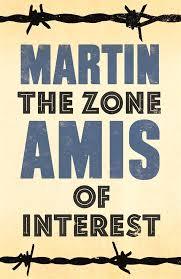
The Zone of Interest by Martin Amis

Posted May 16, 2015 by Michael @ Knowledge Lost in Historical Fiction / 2 Comments

The Zone of Interest by Martin AmisTitle: The Zone of Interest (Goodreads)
Author: Martin Amis
Published: Jonathan Cape, 2014
Pages: 320
Genres: Historical Fiction
My Copy: Library Book

Buy: AmazonBook Depository (or visit your local Indie bookstore)

Angelus Thomsen is an officer working at Auschwitz; on August 1942 he gains his first sight of Hannah Doll, the wife of the camp’s commandant. After a few encounters, their relationship becomes more intimate. Despite their attempts to be discreet, Hannah’s husband Paul becomes suspicious. He threatens a Jewish Sonderkommando into killing his wife. However things are not that simple and life is far more complex.

The Zone of Interest is Martin Amis’ fourteenth novel and the second to focus on the holocaust (his 1991 novel Time’s Arrow being the other). The novel is told from prospective of three narrators; Angelus Thomsen, Paul Doll and Szmul the Sonderkommando. This allows Amis to explore the three different sides of this budding romance and betrayal, however what it does not talk about is far more interesting. Thomsen and Doll are so focused on Hannah, while Szmul is unwillingly dragged into this complex situation.

I found the plot to be a bit flat and the ending of this novel anti-climactic but it was Martin Amis was not saying that really stuck out to me. The way Amis told the story allowed the reader focus on the melodrama of this love triangle but we have to remember this was set in Auschwitz. We can explore the indifference towards human suffering and the prisoner’s general psychology without the need to talk too much about this situation. Szmul’s narrative does focus more on the life in the concentration camp from a Jewish point-of-view but it is the Germans’ lack of interest that stuck with me. The more I think about this novel, the more I admire the way Amis wrote this book. I cannot think of another novel that explores an issue like this by actively trying to avoid the topic.

At the time of reading this book, I found this novel to be average. However, it was the post-reading experience that really stuck with me, and I really appreciate the satirical approach Martin Amis took. I am determined to try some more of his works; I need to find out if he uses satire consistently in his novels. I would love to know which novel I should check out next from Martin Amis.


The Amazing Adventures of Kavalier & Clay by Michael Chabon

Posted August 21, 2013 by Michael @ Knowledge Lost in Historical Fiction, Literary Fiction / 0 Comments

The Amazing Adventures of Kavalier & Clay by Michael ChabonTitle: The Amazing Adventures of Kavalier & Clay (Goodreads)
Author: Michael Chabon
Narrator: David Colacci
Published: Fourth Estate, 2000
Pages: 659
Genres: Historical Fiction, Literary Fiction
My Copy: Personal Copy

Buy: AmazonBook Depository (or visit your local Indie bookstore)

The Amazing Adventures of Kavalier & Clay follows the story of two Jewish cousins. Joe Kavalier is an artist that escapes occupied Czech to America where he meets writer Sam Clay. During the golden age of comics Kavalier and Clay become major players in the industry creating many comic book heroes including The Escapist. The superhero is a Nazi-busting saviour who liberates the oppressed around the world.

I’ve read Michael Chabon before and the thing I really enjoyed about his novels is that they are full of intertextual goodness. With The Yiddish Policemen’s Union, it blends his literary style with elements of alternative history and noir. The Amazing Adventures of Kavalier & Clay blends with elements of the comic book genre. This is what impresses me the most with Chabon’s style and makes me keen to read The Telegraph Avenue (which I hope blends elements of music into his style). I wonder if all his books are full of intertextuality and will love to find some other novelists that do this; it really works for me but maybe it’s just my love for literary fiction and the genres he blends with it.

There is so much more going on with the novel. The Escapist is used to play out all Kavalier’s fantasies of being a magician/escape artist but he uses the comic books to spread his propaganda towards the Nazis. Most of this novel is set before World War II in America before the world really knew the extent of what the Third Reich were up to. Michael Chabon is a Jewish novelist and his heritage seems important to him and this comes through in his novel.

This novel deals with so many different literary themes; escape from oppression, coming of age, family and relationships. Just writing that sentence makes me think that Chabon might have over done it but really this book comes together beautifully. I don’t often use the terms like magnum opus and tour de force but having read the novel and people’s impressions of this book, it really seems to fit.

Kavalier and Clay become legends in the comic book world and as the world and industry changes, they are repeatedly asked to change and conform but they never compromise. They had a clear message they wanted to say and they refused to change that message. I’m impressed with everything about this book from the blending of comic books and its culture, Jewish mysticism and world history to the character development, proses and my overall opinion of the novel.

If you’ve never read a Michael Chabon novel then I recommend it; I’m not saying start with this novel but look for one with a theme that interests you. Out of the two I’ve read, I’ve been impressed with them both but I have to say The Amazing Adventures of Kavalier & Clay is masterfully crafted and deserves all the praise it received. I have Telegraph Avenue on the shelf and I’m interested in trying Wonder Boys soon as well. The Escapist was made into a comic by Dark Horse Comics but I think it was part of a promotion for this book. Also the film rights for the book have been sold but with the luck it’s been having I’m doubtful it will ever be made.


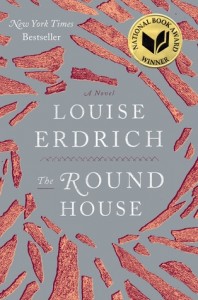
The Round House by Louise Erdrich

Posted June 24, 2013 by Michael @ Knowledge Lost in Historical Fiction / 0 Comments

The Round House by Louise ErdrichTitle: The Round House (Goodreads)
Author: Louise Erdrich
Published: Harper Collins, 2012
Pages: 321
Genres: Historical Fiction
My Copy: Hardcover

Buy: AmazonBook DepositoryKindle (or visit your local Indie bookstore)

In Spring of 1988, a woman on a reservation in North Dakota was brutally attacked and raped. The details of Geraldine Coutts’ traumatising event slowly unfold as she reluctantly recounts the account to the police or her husband. Not only will her life be changed forever, but that of her husband Bazil and their thirteen year old son Joe. In just one day, Joe’s life is irreversibly transformed as he finds himself thrust unprepared into adulthood in Louise Erdrich’s National book award winning The Round House.

From the perspective of Joe we follow this tragic story from that one Sunday in the spring through all the challenges that face the family afterwards. Not only is justice difficult to find for the victims of rape but imagine just how hard it would be when there are laws preventing the North Dakota police arresting anyone on an Indian reservation. This is a look at the problematic laws between America and native tribes as well as rape victims. Can there be justice in these cases? The tribal judge and Joe’s father, Bazil has faced many problems with finding justice but this time it is so much more personal and really highlights the fact that these laws in America need to be changed which are being worked on but unfortunately due to these tangled laws, 1 in 3 Native women were reportedly raped in their lifetime according to a 2009 report (this figure could be higher as Native women often do not report rape) and 86 percent of the sexual assaults are perpetrated by non-Native men.

Not only is this book trying to show us just how bad the laws are at protecting Native women, but  this book, from Joe’s perspective,  goes into some other details , such as, a teenage boy growing up in a both a tribal environment and the modern world. The two cultures clash from time to time, not just when it comes to the laws and justice, but through a teenager’s eyes the modern and traditional worlds are so incompatible. Joe was an interesting character whose childhood was cut so short and being ill equipped to deal with adulthood really just added another dimension of struggle to this book.

It felt like this was a coming of age story for Joe, he was thrust into adulthood far too quickly but he was still struggling to grow. The whole sexual awakening and puberty and everything else he would have had to go through at the same time as trying to help his mother heal; I don’t know how someone would be able to manage in that circumstance. Louise Erdrich did try to explore the sexual awakening and rebellious phase of Joe’s life but due to the tragic event of his mother’s life, it become really difficult to balance the two and that was one of the major issues I had with the book. I felt like Erdrich was trying to do too much and maybe didn’t execute the plot well enough to manage her ideal outcome for this novel.

Then I found some of the minor characters to interchangeable and others far more interesting than the primary ones. The rest of the family apart from Geraldine, Bazil and Joe, all felt too similar that they should have been written out of the book completely. But then you have Grandma Ignatia with her raunchy stories, the old man who tell fables in his sleep and the ex-stripper and her past. All three characters, plus a couple more seemed far more fascinating than the main characters; I would have rathered a novel about them instead.

For me the novel started off difficult, the violent nature of rape has that effect. I found it difficult to get started and that never really went away; I wanted the book to end or change perspective or do something to keep me reading but it never did. I had to read this book for book club, so I did finish it. If it wasn’t for book club, I might have abandoned or put this book aside for a long time. Sure, there are interesting points this novel brings up but I don’t think it was deserving of such a prestigious award like the National Book Award. Then again the social spotlight on these tangled laws needed to be brought to the attention of all Americans and I guess this book did a good job at that.

I’m not sure if I want to read more of Louise Erdrich’s novels but I’ve heard good things about them, but I had heard good things about this book too. Rape and the social injustice of Native women are serious problems that need to be addressed so I will give Louise Erdrich credit for The Round House, it did its job. Thank goodness the novel I finished next was Snow Crash; review soon. I would like to know if anyone has read or plans to read The Round House and if they have some thoughts on the book and these issues.


Love in the Years of Lunacy by Mandy Sayer

Posted June 22, 2012 by Michael @ Knowledge Lost in Historical Fiction, Romance / 0 Comments

Love in the Years of Lunacy by Mandy SayerTitle: Love in the Years of Lunacy (Goodreads)
Author: Mandy Sayer
Published: Atria Books, 2011
Pages: 320
Genres: Historical Fiction, Romance
My Copy: Library Book

Buy: AmazonBook Depository (or visit your local Indie bookstore)

I admit historical romance is not something you’d expect me to read but I’m all for literary exploration, so I thought I would give this Australian novel a go. Love in the Years of Lunacy is a typical story of forbidden love, set in war time Sydney. Eighteen year old Pearl is an alto sax player in an all girl jazz band that one day meets African American and jazz legend James Washington and quickly fall in love. While Australia didn’t have any laws to prevent them from falling in love or marrying, like America did, their love was taboo. While there is a lot more that I could probably say to summarise this book, you get the picture and probably can predict what happens. What I want to do is vent all my frustrations about this book (potential spoilers from here on out).

1. Historically Inaccurate
I’d probably enjoy this book a lot more if it wasn’t for the huge inaccuracy that happens in the book. The scene happens while the two love birds are at Luna Park, air raids sound and Sydney is under attack; but wait, there were no bombing in Sydney during World War 2, there was the submarine attack but this book made it sound like Sydney was getting bombed. Why? Most likely wanting to use this as an excuse for the two characters to have sex.

2. Misdiagnosis
So when the two are inevitably separated, Pearl tries to commit suicide; she says she doesn’t want live in a world without him. The Master of Lunacy (this title is government appointed to act as the authority in civil commitment proceedings) diagnoses her of having a fear of dying but when he talked to her and asked her, she told him that she was afraid of dying.

3. Faking it
You know the typical ‘fake that you’ve gotten better’ to stop having to be constantly under supervision? Pearl does this to stop herself from being bored but she did it so well that I think even the writer forgot about her depression after that paragraph ended.

4.  The Marriage Proposal
Pearl fakes her recovery so well, she ends up dating the Master of Lunacy; what? Does this not seem like an issue, an irresponsible doctor/patient relationship? Let alone the fact that Pearl was faking being over her depression and over James, so much so she falls in love with the doctor.

5. Cross Dressing Soldier
I get that a woman can fake being a man but faking being a solder in a war zone seems like a huge stretch. Especially when the writer likes to remind the reader just how beautiful Pearl is through the book. But tuck your hair under a hat and bandage her breasts up to make herself look flatter; that would work. How about when she got her period and the blood stained her pants? No one noticed that?

There is so much more I can think of that didn’t sit write with me in this book. I think there was a point I only found out Pearl was a blonde when she showed off her pubic hair to prove she wasn’t a male soldier. I did like the way this book was told in a way that a fictional Indigenous crime writer was listening to the tape recordings of his mother (who he thought was his aunt and also thought he was indigenous at the same time). But apart from that, I have too much I disliked about the book to really enjoy the story. I’ve had my rage about this book now; I can finally get it out of my mind.


Dark Matter by Michelle Paver

Posted June 21, 2012 by Michael @ Knowledge Lost in Gothic, Historical Fiction, Horror / 0 Comments

Dark Matter by Michelle PaverTitle: Dark Matter (Goodreads)
Author: Michelle Paver
Published: Orion, 2010
Pages: 256
Genres: Gothic, Historical Fiction, Horror
My Copy: Library Book

Buy: AmazonBook Depository (or visit your local Indie bookstore)

Dark Matter by Michelle Paver is a slow burning ghost story; slowly the tension builds and builds until… The story kicks off on 7th January 1937, the first entry being written in the journal of Jack Miller who is preparing for an expedition to Gruhuken. This uninhabited location in Arctic is the back drop of this chilling story, the atmosphere and solitude all playing a role in building the tension within this story. The relationship between Jack and his companions Gus, Algie, Hugo and Teddy are one of the key aspects that hold this book together.

It’s really hard to review a book like this as I don’t want to give too much of this book away, but I’ll try my best. The story was a very basic one, the isolations, feeling of being completely alone works rather well in the book. The plot and surroundings all slowly build the tension that Jack is feeling. I started off reading this book feeling a little distracted but the further I got in the book the more absorbed in the story I found myself. It’s one of those books you want to read on a cold winter night; the snow outside and nothing but the creaking of the house to keep you company. Unfortunately it never snows and never gets cold here but I can just imagine reading this book in that situation and enjoying it a lot more.

The novel is a well polished ghost tale, reminding me of the old gothic novels of the 19th century; building the tension and characters as you read. While it’s a short book it did a great job at capturing all the key elements to haunt the reader. I’m reminded a bit of The Turn of the Screw by Henry James and even to a less extent The Woman in Black by Susan Hill in the way they can build tension in such a short time. I really love the chilling gothic styles of a book like this, I would love to read some more books similar to this one and compare it to the ones I’ve already read. While I really enjoy this novel I can’t see myself rating this book higher than three and a half stars, but I can’t tell you what was missing in this novel.


Wolf Hall by Hilary Mantel

Posted June 18, 2012 by Michael @ Knowledge Lost in Historical Fiction / 0 Comments

Wolf Hall by Hilary MantelTitle: Wolf Hall (Goodreads)
Author: Hilary Mantel
Series: Wolf Hall #1
Published: Harper Collins, 2009
Pages: 651
Genres: Historical Fiction
My Copy: Personal Copy

Buy: AmazonBook Depository (or visit your local Indie bookstore)

Told through the eyes of Thomas Cromwell, Wolf Hall is a wonderful take on Tudor history. Hilary Mantel sets out to write a fictionalised biography of the rise to power of Cromwell, as well as the fall of Cardinal Thomas Wolsey, Henry VIII’s desire to divorce and the opposition of Thomas More. Mantel puts her take on the characterisation of these historical figures and went to painstaking lengths to make sure her version of the story lines up with the historical events as accurately as possible.

Just for the sake of understanding the history behind the book, I did a bit of research before reading this book. I believe this book is set between 1500 and 1535; King Henry VIII has no heir and his chief advisor Cardinal Wolsey is trying to secure his divorce which the Pope refuses to grant. Thomas Cromwell, the son of a blacksmith rises to power by becoming Cardinal Wolsey’s clerk and then later his successor. Wolf Hall takes a look at the history and the morality behind the English Reformation; the English church’s break with the Catholic Church in Rome.

With the success of The Tudors TV show and The Other Boleyn Girl by Philippa Gregory, I’m not surprised how popular this book was but I’m a little surprised that it ended up winning the Man Booker prize in 2009. However, this book is a beautiful read and I found it fascinating that Hilary Mantel gave Thomas Cromwell a real sense of humanity when most recordings seem to vilify him. I’m a little confused why this book was called Wolf Hall when Wulfhall was the manor that was the seat of the Seymour family and yet there wasn’t much in this novel to do with Jane Seymour.

Fans of historical fiction, especially of this period of history, this is the book for you. Don’t be too worried about the sheer size of this novel, you won’t be disappointed. For anyone that has no interest in the period then, I’m not sure if you would want to read this. Personally I don’t have much of an interest in the Tudor’s dynasty but I’m interested in books that tackle morality and that drove me through this book but I did end up developing an interest in the history. I’m keen to read the next book in this planned trilogy; Bring Up the Bodies which only covers 1535 to 1556 and centres around the downfall of Anne Boleyn.