Author: Michael @ Knowledge Lost

Critical Theory: An Introduction by Jennifer Rich

Posted July 24, 2014 by Michael @ Knowledge Lost in Non-Fiction / 0 Comments

Critical Theory: An Introduction by Jennifer RichTitle: Critical Theory: An Introduction (Goodreads)
Author: Jennifer Rich
Published: Humanities-Ebooks, 2010
Pages: 97
Genres: Non-Fiction
My Copy: eBook

For me Critical Theory: An Introduction by Jennifer Rich was everything I wanted Literary Theory: A Very Short Introduction by Jonathan Culler to be. It had a logical format and it went through a few different literary movements and talked about the key people and theories involved with each school of thoughts. But then it got me wondering; what is the different between Critical Theory and Literary Theory? There seems to be no real difference and I’m not entirely sure why they would use two different names to talk about the exact same thing. I might be ignorant and not fully understanding the differences but if there is a difference please let me know in the comments below.

The book starts off with Russian Formalism, a topic I spent a bit of time exploring before continuing the rest of the book. The idea of formalism is something that I feel may be a good foundation for any literary student. To be able to understand genres, tropes, metering, grammar and syntax can provide you with some questions to ask every piece of literature. Asking why a piece of text is written in one perspective and not another and what the focalisation is focusing on can help develop some useful skills. Some people are saying that formalism is making a comeback and I tend to agree, I recently completed a university subject that went though the basics of this school of thought (even if there was no mention of formalism). If you understand these basic concepts, I think you develop a decent tool base for critical reading and future studies of literary theories.

Critical Theory: An Introduction also looked at Structuralism, Semiotics, Post-Structuralism, Deconstruction, Psychoanalytic and Postcolonial Theory. I have a feeling my interest will psychoanalysis and Marxism and this book seemed to verify this very thought, even if it only went into Marxism in passing. The major problem I found is that Psychoanalytic Theory is going to be a huge undertaking, more so than most of the others. I feel that I will need to develop, not only an understanding in psychology, but also a bit of a focus into semiotics as well. I am not too bothered by this thought; this is more of a blinding realisation of how much work is ahead of me.

While Critical Theory: An Introduction may have taken a more textbook type approach to literary theory than Literary Theory: A Very Short Introduction, I think the format is better suited if I ever need to refer back to the book. Literary Theory: A Very Short Introduction was a little all over the place and it works well for reading the book from cover to cover but if I need to look up what the book says on a topic it won’t be easy. I prefer to have chapters dedicated to one literary theory; makes things easier when I refer back to this book in the future.

I’m really enjoying exploring the world of literary theory and I’m beginning to understand the different types of theories on a very fundamental level. The only downside to this is the realisation that there is so much more to learn. I have to remind myself that I’m not going to be able to become an expert in all these fields and I need to focus. I’ve chosen my preferred fields but I will continue to learn the basics of all literary theories and see if something else pops out. I’m still shopping around, while psychoanalysis and Marxism seem like the right fit for me, I’m open to the possibility of finding something better (and maybe easier). Also, learning the basics in literary theory will have the added bonus of been able to see a book from different schools of thought. If you are looking for a good, quick introduction to literary theories, Critical Theory: An Introduction by Jennifer Rich is a good pick, it is short and only covers a few theories but will give you a decent understanding of them.


Skinjob by Bruce McCabe

Posted July 22, 2014 by Michael @ Knowledge Lost in Thriller / 0 Comments

Skinjob by Bruce McCabeTitle: Skinjob (Goodreads)
Author: Bruce McCabe
Published: Bantam Press, 2014
Pages: 384
Genres: Thriller
My Copy: ARC from Publisher

Buy: AmazonBook Depository (or visit your local Indie bookstore)

Bruce McCabe joins a growing list of authors finding success from self-publishing his novel. I know I take a very cynical view on self-published books; I tend to treat a publishing house as the filter to sift through the slush piles and pulling out the best it has to offer. That isn’t to say there isn’t anything good coming from the self-publishing world but in my experience the pimping of books and desperation makes it hard to find the ones I’d like to read. My policy is to ignore the world of self-publishing, this probably isn’t the best way to go about it but it works for me.

Every now and then a self-published novel gets picked up by a publishing house; I’m thinking Hugh Howey, Andy Weir, and dare I say it, E.L. James. Bruce McCabe is the next self-published author to enjoy similar success, his debut novel Skinjob has been published by a Random House imprint Bantam Press. In the not-so-distant future sexdolls (or if you prefer, sexbots) will become a reality, allowing and even encouraging people to act out their dark and disturbing sexual fantasies; this is the world of Skinjob.

I want to diverse from the story line of Skinjob for a moment to look at the theme McCabe is trying to explore. The sex industry is often depicted as a dark and shady place and the invention of sexdolls is obviously going to be a difficult concept; the politics and ethical challenges are explored within the novel. What I find problematic about the use of sexdolls is this idea that using a doll to live out a dark, disturbing or violent fantasy isn’t going to be healthy. I would be concerned with the psychological damage they could cause of themselves and others around them, to assume the use of a sexdoll isn’t hurting others would be a naïve approach to the issue. There is also a very ethical issue to consider; making sexdolls in all shapes and sizes seems indicates the very real possibility of childlike sex dolls.

I enjoy how Bruce McCabe takes a crack at the thriller genre, using the tropes you expect from a novel like this to explore these ideas. While looking at the growing sex industry I was most impressed with how McCabe allowed the thriller genre to work with him in this exploration. I was interested in the approach he took by allowing militant religious and feminist groups blow up dollhouses (an obvious nod to Joss Whedon) full of sexdolls. This approach meant we have a violent act where real people are not the target. This allows the reader to explore all sides of the issue without forcing them to show unwanted sympathy. The reader can then look at issue of sexual politics within the book and society. The only thing that will get in the way of exploring the issue will come down to the readers and their preconceived notions.

Skinjob is a very issue heavy novel, if you want a straight thriller then this book is not for you. In fact I was less interested in the plot and characters than I was the issues being explored. All the characters felt very two dimensional and unmemorable, even the plot could have used a lot more work but I think this works in the books favour. In the end I was left not really remembering much of the plot and people with the novel but I was still thinking about the themes.

Sexual politics is a complicated and difficult subject; Bruce McCabe’s Skinjob did a great job exploring the topic. While it doesn’t cover everything, it will leave the reader pondering the issues; I’m very glad I picked up this book and hope it has as much of an impact on other readers as it did for me. This is a debut novel and I can’t help but feel excited at what McCabe does next; I hope he continues to explore hard-hitting themes in unique and interesting ways.


The Fictional Woman by Tara Moss

Posted July 19, 2014 by Michael @ Knowledge Lost in Non-Fiction / 0 Comments

The Fictional Woman by Tara MossTitle: The Fictional Woman (Goodreads)
Author: Tara Moss
Published: Harper Collins, 2014
Pages: 352
Genres: Non-Fiction
My Copy: Library Book

Buy: Book Depository (or visit your local Indie bookstore)

Tara Moss is probably best known as a person you hate; she seems to succeed in everything she puts her mind to. Starting her career early at 14 as a model, she always dreamed about being a writer. People don’t encourage others to be writers but they do tell girls that they should be a model. Eventually she did and it took her around the world and taught her so much; the experiences may not have been all good but it helped shape her life. Eventually she did start writing and her Makedde Vanderwall become a huge success and she created this character as a way to explore her interests in forensic science, psychology and other topics. Now with nine fiction novels under her belt Moss is giving us her first non-fiction book, The Fictional Woman.

The title comes from the idea that people tend to dismiss and stereotype others. Tara Moss is no stranger to this; she even took a polygraph test to prove she wrote her books. While this book starts off as a memoir it is important to know that this is a social critique on the world and feminism. The book begins as a memoir to provide context, an understanding of Tara Moss’ struggles and her life helps to see where The Fictional Woman is coming from. Historical context is also an important part of understanding feminism as well, especially when it comes to gender equality and pop culture. There have been plenty of Spiderman (too many), Zorro and James Bond movies but there has never been a Wonder Woman movie. In literature, the female archetype stems from fairy tales and medieval fiction, heroines tend to face off another woman, often older and depicted as witches. Cinderella type stories require a man in order to live happily ever after and even chick-lit often portrays a gender inequality.

The Fictional Woman explores this imbalance in pop-culture and society and looks at where these archetypes come from. It is impressive to see the amount of research and information Tara Moss puts into this book; it really was eye opening. I highly recommend people read this book but I need to warn everyone it may contain triggers. I’m surprised to see that the imbalance is so prominent in today’s society and I am trying to make more of an effort to read a balance of authors. The problem I found is I tend to pick up books without taking notice on of the author, sure it sometimes easy to know their gender but I don’t research authors before starting a book. I try to make more of an effort and it is an area I need to work on.

I’m really impressed with Tara Moss, she seems to succeed in everything she does; sure I’m a little jealous that she is so talented but I still feel motivated. For those interested, I recently wrote a piece about an author event with Tara Moss on Boomerang Books if you are interested, I talk in a lot more detail about The Fictional Woman. I have never spent so much time thinking about feminism, I plan to do a lot more of it, even read some more books on the topic. I might even incorporate it into my critical reviews; it is an important topic that needs to be addressed.


Ten bookshops to visit while in America

Posted July 17, 2014 by Michael @ Knowledge Lost in Literature / 0 Comments

I’m going away on holidays to America and my main concern was making sure that I research which bookshops to visit while over there. I am away for a few weeks and while I don’t really plan to weigh down my bags with too many books, I still like looking at books. I have been looking around for which stores to visit and I thought I might list them here and possibly open it up to some suggestions. I’m going to be visiting San Diego, Los Angeles, San Francisco, New York, Boston, Toronto and Las Vegas, so please recommend some stores and I will try to visit them.

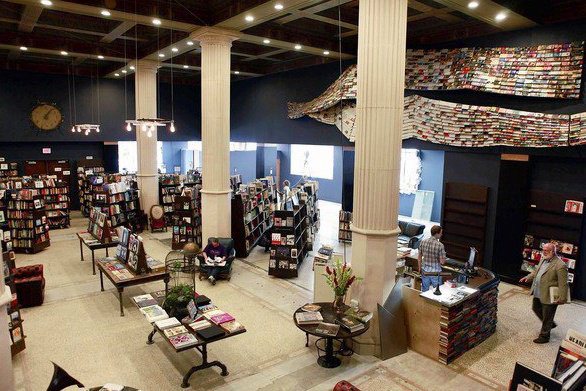
The Last Bookstore, Los Angeles

This is a scary thought, I would hate to think that there is only one bookstore left on earth and it was all the way in LA. The Paris Review once wrote that this store was “an almost 20,000-square-foot cathedral of books”.

Skylight Books, Los Angeles

This is often voted as one of the greatest bookshops in America (along with Powell’s but I’m not going to Portland). It could almost be considered a literary landmark, but when I think of LA I think Raymond Chandler and that landmark would be Musso and Frank Grill (which I plan to visit as well).

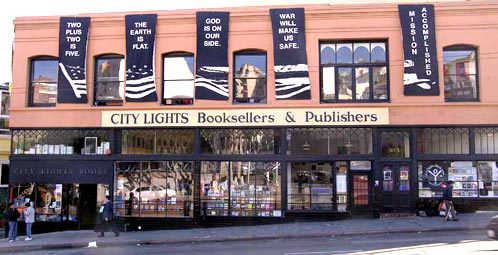
City Lights Bookstore, San Francisco

This was one of my biggest highlights when I was in San Francisco last time, and I plan to go back. Last I was there a picked up a portable collection of Romantic poetry which I adore; still think Keats is my favourite. This is not only an iconic bookshop, it is a literary landmark.

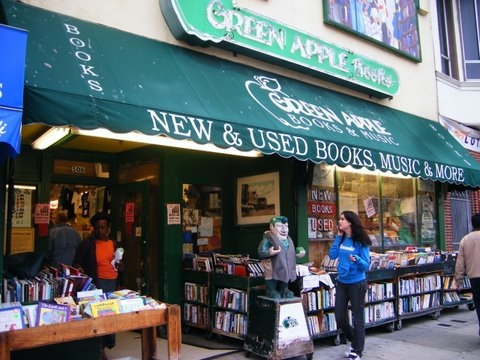
Green Apple Books, San Francisco

This is a well-known bookshop that has been around for a very long time. I missed it last time I was in San Francisco; I don’t want to miss it again.

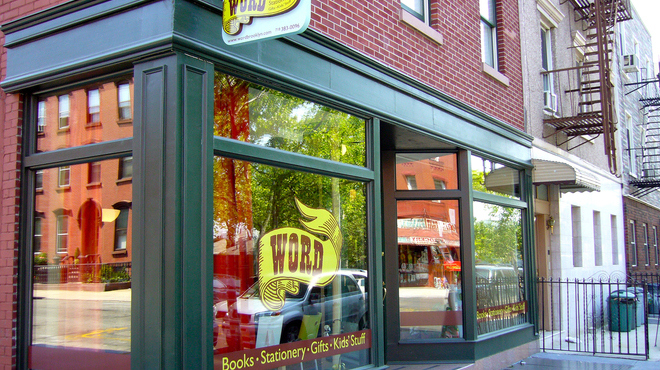
WORD, Brooklyn

Located in the Greenpoint section of Brooklyn, this is one store where their reputation precedes them. This may simply be because the Bookrageous podcast links every book to this store but I’m still very interested in checking it out.

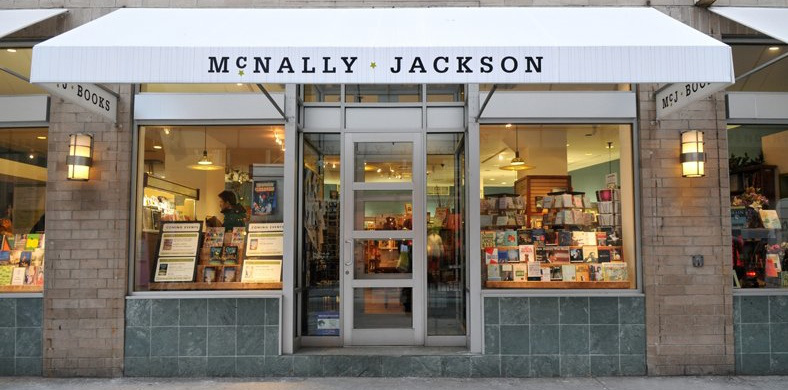
McNally Jackson, Manhattan

I have heard good things about this store; mainly that it has ‘everything’. I plan to challenge this view and see if it has books on my wishlist that are normally very hard to find. If I wrote a book, I could even get it printed here.

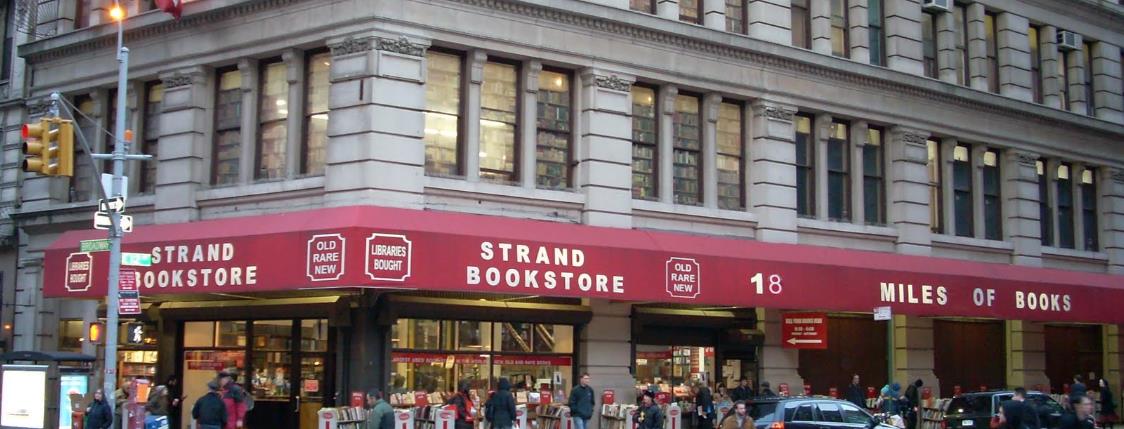
Strand Books, New York

This one was recommended to me by a friend on Twitter. Eighteen miles of books, this is something I have to see. The store opened in 1927 so there is a bit of history there as well.

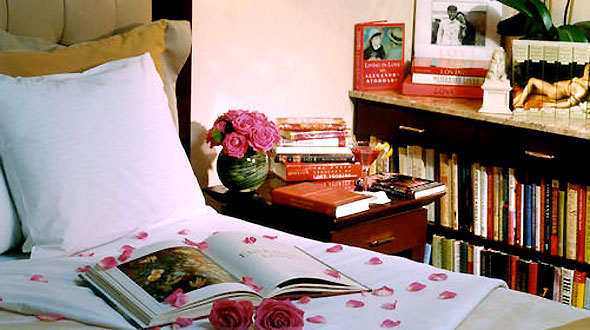
Library Hotel, New York

Not a book store but since I’m in New York, I’m going to stay in bookish class and felt the need to rub it in. Library Hotel not only offers you a great place to stay but you won’t be short of books to read.

Commonwealth Books, Boston

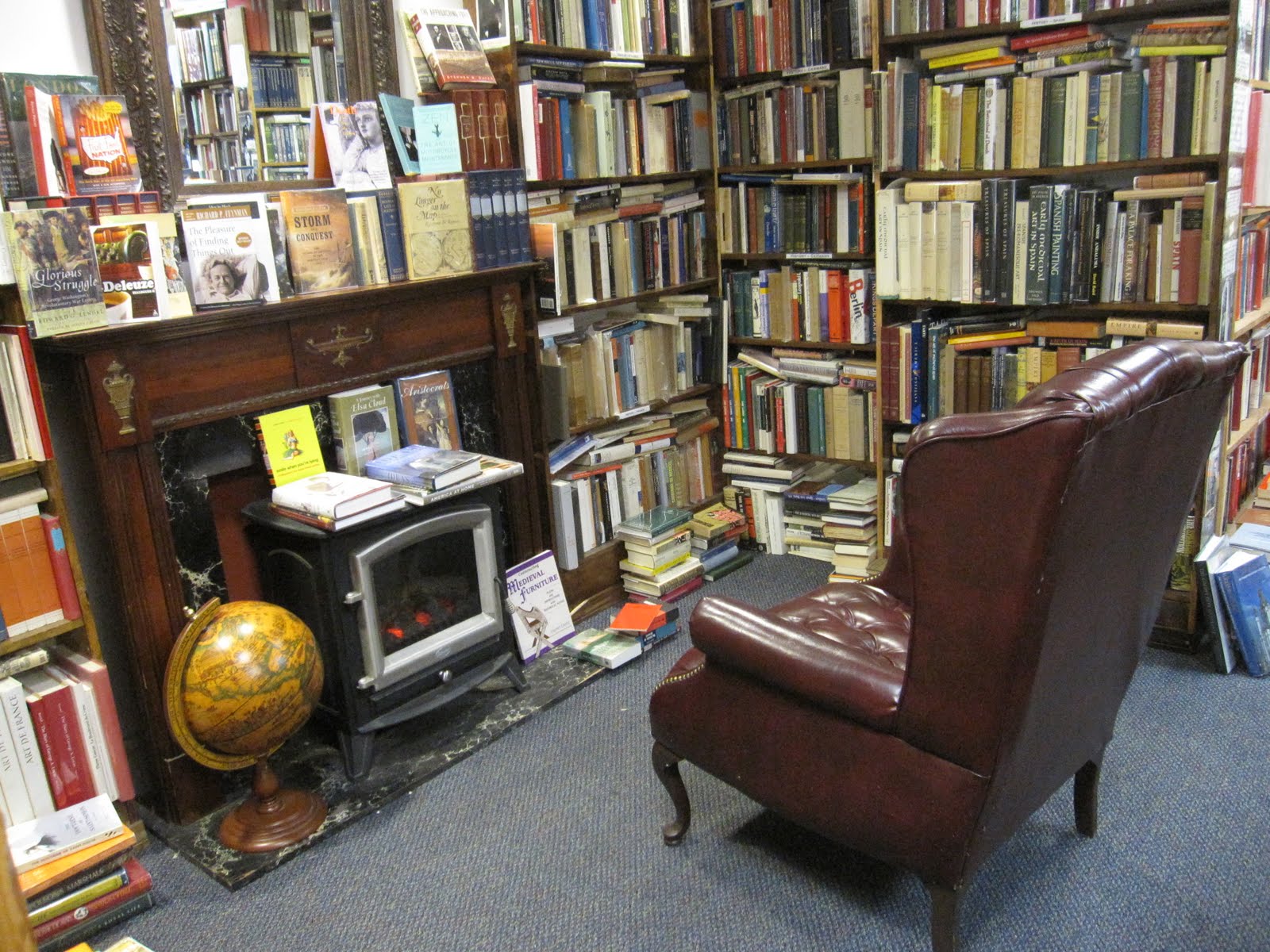
This used bookshop comes with leather chairs and a fireplace, what more do you want from a store? I would like to go, grab an old classic and spend the day reading. I’m not sure if it is a good strategy for selling books but it is one way to attract booklovers.

Brattle Book Shop, Boston

When I was researching book shops to visit while in America I came across this one in Boston; it looks awesome. One of America’s oldest and largest used book stores, it has to go to the streets.

There you have it, ten bookshops (sort of) that I plan to visit when I’m over in America. I know I will find more along the way and I could have mentioned a few others but I need to save room for museums and eating. Feel free to mention some more in the comments and I might see if I can make it there as well.


Top Ten Tuesday: Great TV Shows

Posted July 15, 2014 by Michael @ Knowledge Lost in Top Ten Tuesday / 0 Comments

toptentuesdayIt’s Tuesday again which means time for another round of Top Ten Tuesday; I like joining in on this meme because I have a set topic to work with. Top Ten Tuesday is a book blogger meme that is hosted by The Broke and the Bookish and this week the theme is: other types of stories; so either favourite Movies or TV Shows! I’ve decided to pick some TV shows that I think tell great stories with well developed characters.

ttt-15-7

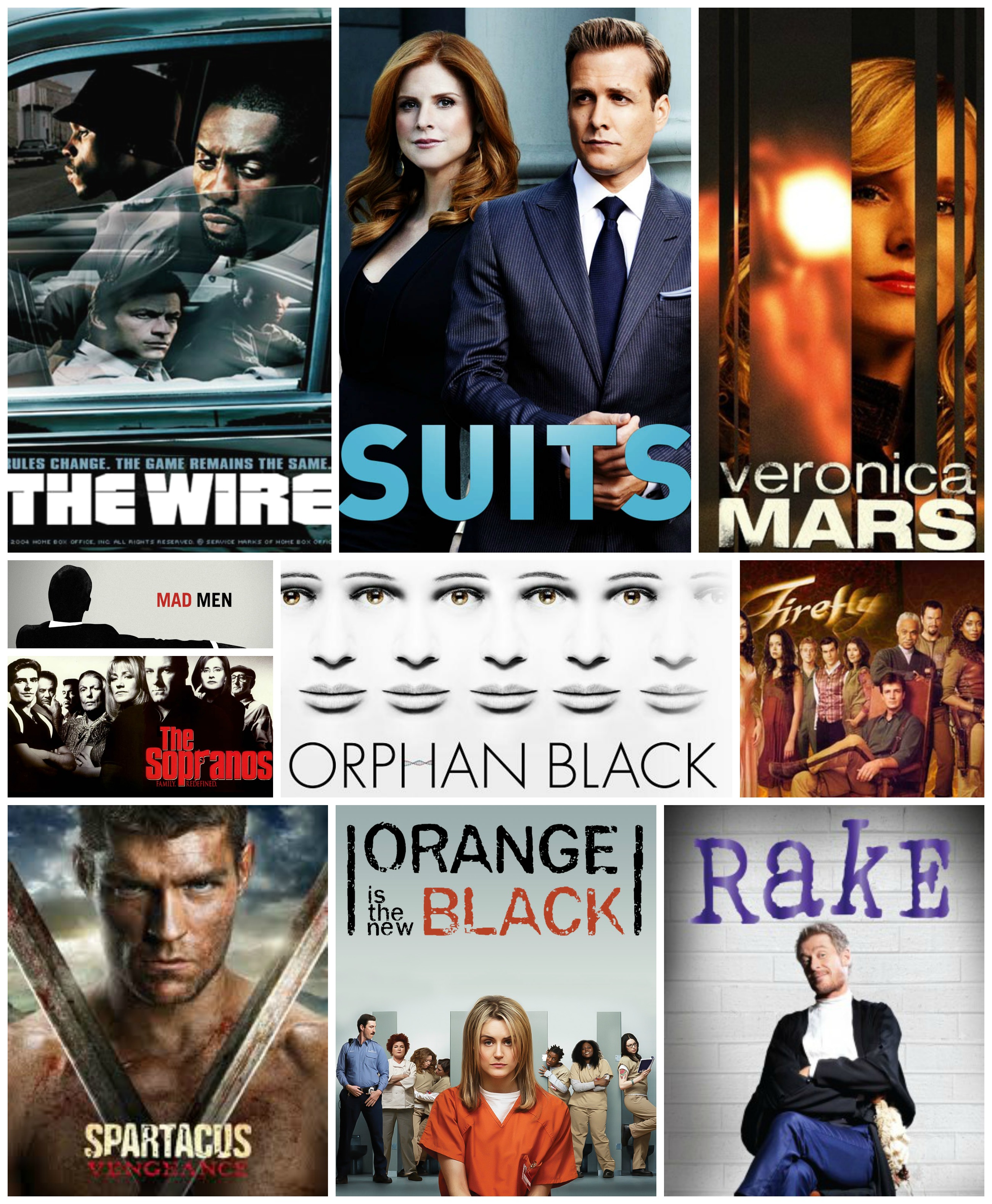
  • The Wire
  • Suits
  • Veronica Mars
  • Mad Men
  • The Sopranos
  • Orphan Black
  • Firefly
  • Spartacus
  • Orange is the New Black
  • Rake (The Australian show)


How Do You Sort Your Bookshelf?

Posted July 12, 2014 by Michael @ Knowledge Lost in Literature / 24 Comments

I was thinking about my bookshelves lately, I have a few of them and I never seem to have enough room for all the books on them. Should I cull books I am never going to read? I don’t feel comfortable with culling but sometimes it needs to be done. Does anyone else have a problem with culling? Or does any one know of a way to get over this fear.

However what I want to talk about is not culling. I was wondering how people organise their bookshelves? Do you separate non-fiction and fiction, sort by author, titles, genre or colour? How organised are you? Do you regularly resort your bookshelves. I’m terrible; there is no consistent order for any of my books. I do have a bookshelf in my bedroom that has mostly my TBR books but it is not in order either.

I’ve often thought about sorting my bookshelf but I prefer it this way. I like the sense of adventure I have when I go looking for books, going from one bookshelf to the next trying to find a book. In all honesty, I just like looking at my books; I tend to look at all the titles while in bed and wondering which books I should read and what I would think of them. I just like browsing the shelves and seeing what I have, sometimes I forget I have a book and it is a thrill to find it. So I want to know what people do, is there a benefit to organising a bookshelf?


Provenance by Laney Salisbury and Aly Sujo

Posted July 10, 2014 by Michael @ Knowledge Lost in Non-Fiction / 0 Comments

Provenance by Laney Salisbury and Aly SujoTitle: Provenance (Goodreads)
Author: Aly Sujo, Laney Salisbury
Published: Penguin, 2009
Pages: 301
Genres: Non-Fiction
My Copy: Audiobook

Buy: AmazonBook DepositoryKindle (or visit your local Indie bookstore)

For those that don’t know, a provenance is a document (or documents) that chronologies the ownership of a historical object. In the art world, the provenance serves almost like a certificate of authenticity as well as a historical document of the ownership, custodies or locations the piece has been displayed. The problem was, there was a time in art history where authenticating a provenance was all you needed to prove the art was genuine. This lead to all kinds of problems, in the world of computers and photocopiers it became very easier to make a document look authenticate than it was to forge a painting. This book explores this very problem; Provenance: How a Con Man and a Forger Rewrote the History of Modern Art tells the story of what was described as ‘the biggest art fraud in the 20th century’.

Provenance has one of the most extraordinary narratives I’ve ever read in a non-fiction book; it reads like an art thriller, full of suspense and mystery. It wasn’t what I expected from a true crime book on art history, I was hooked in this world and on the edge of my seat to find out what will happen next. The authors of this book, Laney Salisbury and Aly Sujo are both investigative reporters and spent the time to research and tell us the story of John Drewe, a villainous con man that set out to defraud the art world. Recruiting a struggling artist, John Myatt, to paint the forges, it is estimated that over 200 forgeries were made and only about 60 of them recovered. This means there is about 140 paintings still out there been accredited to artists like Giacometti, Dubuffet and so on.

If I may, I want to quickly touch on the problematic approach to authenticating a provenance rather than a painting. As I said before the use of computers and photocopiers made it easy to fake these documents, but John Drewe went further by sneaking forged documents of auctions, gallery displays and so on into the archives of museums and the Institute of Contemporary Arts (ICA) in London. What was scary about the elaborate efforts Drewe went to to make this provenance real is the fact a test on the painting might have been so much quicker. If they took the effort to test the paint they would have found that Myatt used a combination of emulsion paint, K-Y Jelly and then vanish to make the paintings look like oil paintings.

All my knowledge on art forgery came from people like Neal Caffrey (White Collar) so I’m not nearly knowledgeable on the topic, as I’d like to be. Art history and art crimes can be fascinating topics and what I loved about Provenance is how it showed how crime seeps in and becomes part of the history. When John Myatt served his time he decided not to point out any paintings that he had done, and that raises an interesting question. Is it better to point out the 140 or so fakes still out there and have the owners lose all that money or not? If a fake is just going to be burnt is it better to own up to the forgery or let it remain a piece of art? The financial and artistic costs would be devastating but what about the moral code that Myatt wished to live by?

This is what made for a fascinating read, I learned a small part of art history, art crimes and it also raised some philosophical questions. I know I might have said a little too much but this is history, can you give spoilers on historic events? It is a great piece of narrative non-fiction and a great way to learn more about art crimes.


Top Ten Tuesday: Authors I’ve Never Read

Posted July 8, 2014 by Michael @ Knowledge Lost in Top Ten Tuesday / 24 Comments

toptentuesdayIt’s Tuesday again which means time for another round of Top Ten Tuesday; I like joining in on this meme because I have a set topic to work with. Top Ten Tuesday is a book blogger meme that is hosted by The Broke and the Bookish and this week the theme is: Top Ten Blogging Confessions. I have already done a post of the classics I haven’t read recently so I’m going to confess to authors I’ve never read.

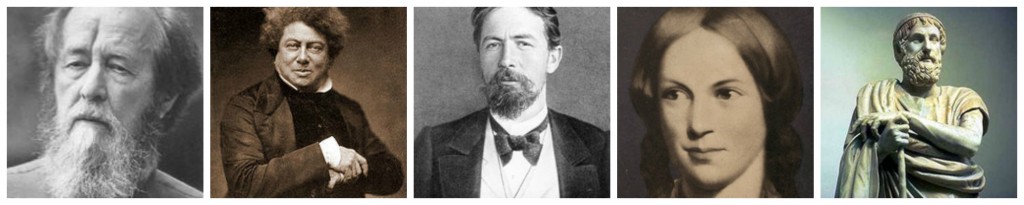
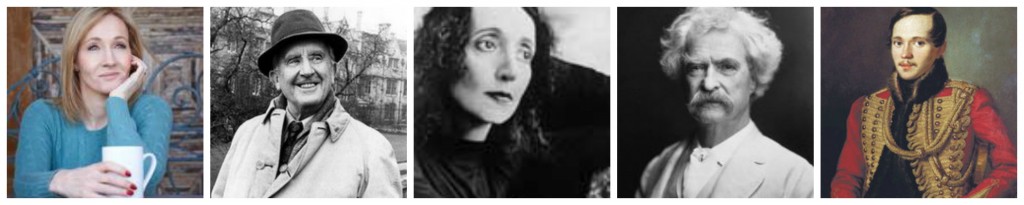
  • Aleksandr Solzhenitsyn
  • Alexandre Dumas
  • Anton Chekhov
  • Charlotte Brontë
  • Homer

  • J.K. Rowling
  • J.R.R. Tolkien
  • Joyce Carol Oates
  • Mark Twain
  • Mikhail Lermontov

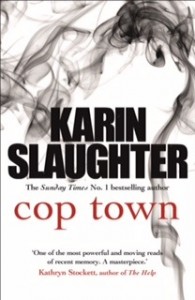
Cop Town by Karin Slaughter

Posted July 3, 2014 by Michael @ Knowledge Lost in Crime / 0 Comments

Cop Town by Karin SlaughterTitle: Cop Town (Goodreads)
, 2014
Pages: 416
Buy: AmazonBook Depository (or visit your local Indie bookstore)

Karin Slaughter is a prolific crime writer whose novels mainly are in the Will Trent or Grant County series. She is a writer I never thought about picking up, mainly because I avoid bestseller crime novels (they are too formulaic) and I don’t like the idea of starting a series that already has so many novels to catch up on. Can you imagine trying to catch up on something like Sue Grafton’s Kinsey Millhone (currently on book 23) series? When I saw that Cop Town was a new standalone novel by Slaughter, I knew this was my chance to try her without making a huge investment.

Cop Town is a police procedural focusing on two female officers working for the Atlanta PD in 1974. Kate Murphy is a beautiful new recruit that comes from a wealthy family; she is determined to make it on her own. Maggie Lawson is a hardened no-nonsense type officer from a cop family that has been on the force for a while now. Right off the bat you can pretty much guess the themes within this book; sexism, racism, police corruption/brutality and that is before even understanding what type of crime is involved in the book. However, the central mystery within this novel revolves around the search for a cop killer, but for me this plot took a backseat to the themes.

I feel like Cop Town mainly focused on the gender imbalance in society, though set in 1974 the reader can still see just how far we have come toward sexual equality (not far at all). I want to focus on two little incidences that happen in the book that highlight this and don’t give away any spoilers. Firstly there was an incident in the novel were Kate was basically told by a married man that ‘wives are for babies and women like you are for fun’. Lines like that are not just a feminist issue but it also shows a fundamental flaw in our social thinking. The idea that sexual satisfaction can’t happen in a marriage is still a very real problem nowadays and too often portrayed in the media.

The second issue involved Maggie, with a cop killer on the loose her uncle forcefully asks her to quit the force to keep safe. This scene made me think that the biggest risk to Maggie’s safety was her family more than the cop killer. The idea of wanting a woman to quit the force while you plan to remain and do something about this issue is problematic and raises many questions about equality. I’m not going to go into too much detail about my thoughts with these two scenes but I thought it would be nice to just highlight what this book is dealing with while avoiding spoilers.

Normally when I read a crime novel, I read it for plot and I tend to stick to the ones that dive into the dark and twisted. The exception is obviously hard-boiled and noir but I will admit that even if Cop Town doesn’t fit my preferences in crime novels I was glad to read it. The themes that this novel explores made this both an enjoyable and compelling read, even if I didn’t think much of the plot. Can’t say I will revisit Karin Slaughter again, however if another standalone novel offers a similar experience I may reconsider.


Top Ten Tuesday: Wall of Shame (Classics Edition)

Posted July 1, 2014 by Michael @ Knowledge Lost in Top Ten Tuesday / 0 Comments

toptentuesdayIt’s Tuesday again which means time for another round of Top Ten Tuesday; I like joining in on this meme because I have a set topic to work with. Top Ten Tuesday is a book blogger meme that is hosted by The Broke and the Bookish and this week the theme is: Top Ten Favourite Classic Books or Top Ten Classics I Want To Read. I thought I would take the opportunity to mention ten books I really need to read. I feel so much shame for not having read these books.

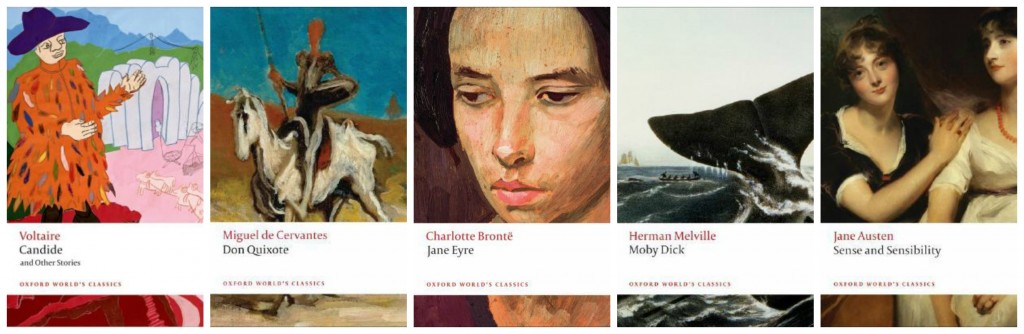
  • Candide by Voltaire
  • Don Quixote by Miguel de Cervantes Saavedra
  • Jane Eyre by Charlotte Brontë
  • Moby-Dick by Herman Melville
  • Sense and Sensibility by Jane Austen

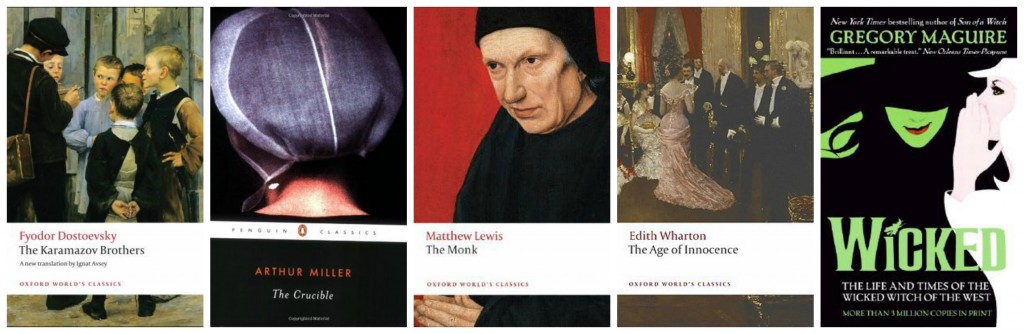
  • The Age of Innocence by Edith Wharton
  • The Brothers Karamazov by Fyodor Dostoevsky
  • The Crucible by Arthur Miller
  • The Monk by Matthew Lewis
  • Wicked by Gregory Maguire