Category: Random

Monthly Review – January 2015

Posted January 31, 2015 by Michael @ Knowledge Lost in Monthly Reading / 4 Comments

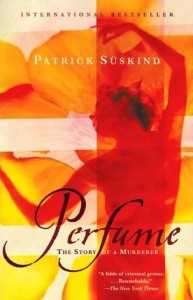
Tender is the nightIt seems 2015 is off to an incredible start; not only have I pushed myself into the world of BookTube, but my reading for January has been well above average. I set myself the goal of doing more re-reading and books in translation this year and so far I have already re-read one book and two translations. The book I re-read was been Perfume: The Story of a Murder by Patrick Süskind (I even did a video review of this novel) although I am currently half way through The Master and Margarita by Mikhail Bulgakov (translated by Hugh Aplin) which is also a translation. Perfume was translated into English from German by John E. Woods and I read the Russian classic The Death of Ivan Ilyich by Leo Tolstoy (translated by Nicolas Pasternak Slater) at the beginning of the month as well. I am very happy with my progress so far and I hope the rest of the year is just as good.

Apart from working through my reading goals, I seem to have fallen into reading a bit of fantasy lately, after reading Whispers Under Ground by Ben Aaronovitch, which is book 3 in the Peter Grant series, I immediately wanted to move onto book 4, Broken Homes (currently reading now). I also picked up Among Others which was wonderful and I loved the whole idea about reading a fantasy book about reading science fiction. I actually filmed my first video review on the book and it lead me to reserve so many more fantasy novels from the library, so there may be some more in this genre in the future.

I have also read and enjoyed The Thousand Autumns of Jacob de Zoet by David Mitchell, The Secret History of Wonder Woman by Jill Lepore and An Untamed State by Roxane Gay. Which makes this a pretty spectacular month, but I do worry that every book I read this year will get a four star rating on Goodreads. That could be equally a blessing and a curse, but I shall see how things go moving forward. I did also read Acceptance by Jeff VanderMeer which is the final book in the Southern Reach and of course Tender Is the Night by F. Scott Fitzgerald.

As January is coming to an end I am in a weird situation where I have five books on the go at the one time. I normally read two or three books at once but I have found myself dipping in and out of books lately and this is created a larger than normal ‘currently reading’ list. This means I have got a few books on my February TBR and they are, The Buried Giant by Kazuo Ishiguro, Norwegian Wood by Haruki Murakami (translated by Jay Rubin), Deeper Water by Jessie Cole and as I mentioned before The Master and Margarita and Broken Homes. I hope your January has been just as productive as mine.

Read More


Tender Is the Night by F. Scott Fitzgerald

Posted January 30, 2015 by Michael @ Knowledge Lost in Book of the Month, Classic / 2 Comments

Tender Is the Night by F. Scott FitzgeraldTitle: Tender Is the Night (Goodreads)
Author: F. Scott Fitzgerald
Published: Vintage, 1933
Pages: 344
Genres: Classic
My Copy: Paperback

Buy: AmazonBook DepositoryKindle (or visit your local Indie bookstore)

Rosemary is a young movie scarlet on vacation in the French Rivera, with her mother. It is there that she meets the handsome psychologist Dick Diver and falls madly in love with him. The only problem is Dick is married and his wife, Nicole, a sophisticated socialite is just as lovable. While this magnetic couple draw in admirers and bask in the social spotlight, things are not as perfect as they seem. Tender is the Night is an exploration into a degenerating marriage and the differences between what people project publicly verses what is really happening under the surface.

In 1932 Zelda Fitzgerald was hospitalised for schizophrenia, although there have been huge debates since as to whether she should have been diagnosed with bi-polar disorder (if it was classified back then) instead. While Zelda was being treated at the Phipps Clinic at Johns Hopkins Hospital in Baltimore, she had a burst of creativity. Over six weeks she wrote her only novel Save Me the Waltz which was published the same year. The novel was semi-autobiographical and when F. Scott Fitzgerald read it he was furious that she shared so much of their personal life within the book. Even though Scott shares a lot of their lives in his own novels, the anger may have to do with the fact he planned to use the material for his next novel Tender is the Night. It is hard to tell how much of Scott’s novel is based on real life and how much is just written in anger towards his wife, I will have to read Save Me the Waltz to make up my own mind.

While Nicole Diver is heavily based on Zelda Fitzgerald, it is up to the reader to make up their mind about Dick and if F. Scott Fitzgerald based this character on himself. I personally think there is a lot of Scott in this character and he wants to portray himself as the handsome, intelligent husband that is devoted to his wife, looking after her through her mental illness. However this is where it gets a bit passive aggressive; Tender is the Night chronicles the downward spiral of Dick Diver’s life. As the novel progresses you begin to see just how this lifestyle and his marriage effects Dick to the point where he is nothing but a shell of his former self.

There are some interesting themes worth exploring within this novel; for me I was mostly interested in the ideas of appearance and reading about F. Scott Fitzgerald’s thoughts about being married. There is such beauty within the writing, but then there is so much sadness to be found as well. I found this to be a heart-breaking novel and the fact that this is based so much on his own marriage just makes things worse. I’m planning to read Save Me the Waltz very soon, just so I can compare the two novels.


Monthly Review – December 2014

Posted December 31, 2014 by Michael @ Knowledge Lost in Monthly Reading / 2 Comments

A Christmas CarolNow that 2014 is officially coming to an end it is time to do some reflecting on the year. I think 2014 has been a great year for personal growth for me as a reader and a blogger. I have pushed myself to improve and read more critically and I believe it is starting to pay off. While I am not fully satisfied yet, blogging and reading are passions of mine and I will continue to work towards improvement. One of the biggest steps I made this year was actually joining BookTube and in the New Year, I am curious to see if that will help me in my reading and blogging.

I have already posted a ‘Best of 2014‘ post a few days earlier but I want to also point out the introduction to ‘What I Think About When I’m Not Blogging‘ on my blog which is where I am trying to push myself and my writing with some bookish personal essays. I love this section and I plan to do it more often in the coming year; hopefully this will allow people to see the natural progression of my writing and watch it improve. Other highlights on my blog include; My Vacation (the Literary Highlights), Plot, Character, Style, and Themes, A Rant about my TBR, and Contemporary Fiction Vs. Literary Fiction. Of course I wouldn’t be that pretentious if I didn’t mention that this year I also wrote My Bookish Manifesto, in which I set out some goals to help me improve as a book blogger and critic. I haven’t been keeping to those goals too well but it is still a very important post and I should reflect on it some more.

As it is also the end of the month so I should also talk about my December reading. This month I have been reading a lot of classics and books in translation; after almost six months I finally finished Middlemarch by George Eliot. I loved this book and taking my time with it allowed me to reflect and absorb everything that was happening. Obviously taking your time with a book isn’t always an option but this is the kind of book you can dip in and out of and still experience everything that is wonderful with this classic. To aid my reading of Middlemarch, I used a reading guide called Eliot’s Middlemarch by Josie Billington and I think this was a huge help and allowed me to get historical and personal context into George Eliot’s writing. I wasn’t ready to leave the world of Middlemarch so after this book I picked up Rebecca Mead’s memoir called My Life in Middlemarch, but sadly it didn’t work for me.

I realised that I hadn’t read much Russian literature this year and after enjoying Roadside Picnic by Arkady & Boris Strugatsky in November I knew I had to rectify this situation. Most people who read my blog or know me will know that I love Russian history and literature. Thankfully I spent ten days with In The First Circle by Aleksandr Solzhenitsyn, which allowed me to learn so much about the Soviet era, since most novels I have read on this subject are not by someone who lived through it. I also read The Death of Ivan Ilyich by Leo Tolstoy because it was a short read and finished off all the Tolstoy I need for the ‘1001 Books You Must Read Before You Die‘ list.

More books in translation included the German novel Measuring the World by Daniel Kehlmann, the Norwegian book A Man in Love by Karl Ove Knausgård and a French graphic novel in Blue is the Warmest Color by Julie Maroh. I even read a few more classics in Jane Eyre by Charlotte Brontë and A Christmas Carol by Charles Dickens. But it wasn’t all older book, I also read some contemporary novels including The Girl on the Train by Paula Hawkins, Authority by Jeff VanderMeer and All the Birds, Singing by Evie Wyld.

It has been a great year and I hope that 2015 will be just as great. Please let me know what books you read this month.

Read More


A Christmas Carol by Charles Dickens

Posted December 30, 2014 by Michael @ Knowledge Lost in Book of the Month, Classic / 4 Comments

A Christmas Carol by Charles DickensTitle: A Christmas Carol (Goodreads)
Author: Charles Dickens
Published: Oxford World's Classics, 1843
Pages: 438
Genres: Classic
My Copy: Paperback

Buy: AmazonBook DepositoryKindle (or visit your local Indie bookstore)

When it comes to Christmas books, A Christmas Carol by Charles Dickens is probably the first book that comes to mind. Published in 1843, this novella was an instant success and has been a beloved classic since then. I am not going to go into a plot summary because I believe most people know the story but if you don’t, go watch A Muppet’s Christmas Carol. Told in five staves (similar to stanzas or verses) this book has been adapted so many times that A Christmas Carol has just become a part of the Christmas period.

While compassion, forgiveness and getting into the Christmas spirit is the major theme of this novella, one thing that really stuck with me is Dickens’ ideas of isolation and loneliness. While it is true that Ebenezer Scrooge never indicates he is feeling alone, since the death of Jacob Marley seven years earlier there is a sense that he has falling in despair. Marley died on Christmas Eve and appeared to be Scrooge’s only companion, which leads to a disdain for the holiday period.

Charles Dickens wanted to emphasise the importance of being with friends and family, especially during Christmas. However I got the sense that he may have treated the idea of isolation poorly. Sure, Scrooge was a grumpy old man who was tight with his money but I got no real indication that he was unhappy to be alone. Scrooge could have been an introvert and enjoyed the quiet solitude; is that really such a bad thing?

Then all of a sudden Scrooge is cured from his rationality and becomes an extravert. This is a little strange, Scrooge’s emotional and psychological makeup might not be pleasant or agreeable to the popular worldview but they were his own thoughts. Scrooge was a financial supporter of The Poor Law Amendment Act of 1834 and didn’t want to give money to a charity that worked against his political ideology.

I am not bagging out A Christmas Carol, I do enjoy it but as I was re-reading this novella I kept wondering what this story is saying if we take out the element of Christmas. Basically this is the story of curing someone of his or her personality. I had a lot of fun looking at this book from another point of view, it just gave me a lot more to think about. A Christmas Carol is a nice quick story about the importance of being with your friends and family during this holiday period. Next year I might try Truman Capote’s collection of stories about Christmas.


My Top Five Reads of 2014

Posted December 29, 2014 by Michael @ Knowledge Lost in Top 5 / 18 Comments

top-5It is that time of the year where we talk about the ‘best of’ 2014. When I say ‘best of’ I am referring to my favourites of the year. I have once again divided my list into books released in 2014, the backlist and non-fiction. I have done it this way because I have had a strong focus on non-fiction this year and want to recognise my favourites. I also don’t want my ‘best of’ list to be dominated by classics, thus the reason for the first two lists.

Top Five Reads from 2014
5. Grasshopper Jungle by Andrew Smith
4. Station Eleven by Emily St. John Mandel
3. Ms. Marvel, Vol. 1: No Normal by G. Willow Wilson
2. Belzhar by Meg Wolitzer
1. All That is Solid Melts into Air by Darragh McKeon

Top Five Reads from the Backlist in 2014
5. In The First Circle by Aleksandr Solzhenitsyn
4. The Odyssey by Homer
3. War and Peace by Leo Tolstoy
2. The Sorrows of Young Werther by Johann Wolfgang von Goethe
1. Middlemarch by George Eliot

Top Five Non-Fiction Reads in 2014
5. What We See When We Read by Peter Mendelsund
4. Levels of Life by Julian Barnes
3. In Cold Blood by Truman Capote
2. Ex Libris: Confessions of a Common Reader by Anne Fadiman
1. The Dark Path: A Memoir by David Schickler

Now it is your turn to let me know of your favourite books, the new releases and the older books. It doesn’t matter; just what you discovered and loved.


What I Think About When I’m Not Blogging – Novermber 2014 Wrap-up

Posted November 30, 2014 by Michael @ Knowledge Lost in Monthly Reading, What I Think About When I'm Not Blogging / 8 Comments

Tales of Terror & MysteryIt is hard to believe that 2014 is almost over; I went into this year with a goal to read more non-fiction and now I think I am addicted. I joined Nonfiction November firstly because I wanted to keep my momentum and it looked like fun. However I didn’t really participate much in the memes; I did write a great (well I think it was) essay on my non-fiction reading history. I did however finish a few non-fiction books, four memoirs and two books around literary criticism. I am still scrabbling to catch up on book reviews and I have been posting every day to catch up, so most of these books are still waiting to be posted.

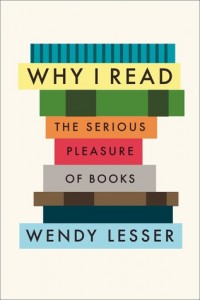
Sticking with the non-fiction theme, I started off the month reading Excavation: A Memoir by Wendy C. Ortiz and I owe this book choice to my addiction to the Literary Disco podcast. It was a little out of my wheelhouse but I really enjoyed it and what better to succeed a book about sexual abuse than listening to Amy Poehler’s book Yes Please. This was a funny, yet amazing book and the audiobook was just perfect. This also helped increase my collection of Parks and Rec memoirs. I happened to also read another humorous memoir when I learnt about how Tony Hawks went Around Ireland with a Fridge. The final memoir was Not Drowning, Reading by Andrew Relph which is heavy on the literary criticism and lead to me reading Why I Read by Wendy Lesser and What Is Literature? by Jean-Paul Sartre.

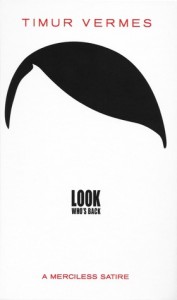
The reading of Sartre may seem pretentious enough to give me enough literary credibility to last the month; it also leads to the second theme in my reading for November. I wanted to participate in German Literature Month this month and I had every intention to read more German translations but the only one I managed to read was Look Who’s Back by Timur Vermes. I did however read a great French novel (The Elegance of the Hedgehog by Muriel Barbery) and the Russian science fiction classic Roadside Picnic by Arkady & Boris Strugatsky. I had aimed to re-reading Perfume by Patrick Süskind but the library’s copy was too damaged, also if I had time I planned on picking up some more Kafka.

The library has been a huge source of books lately and I am constantly having two or three books checked out at the one time. This might not be good for my TBR bookcase and all the books I still need to read around my house but it has been great for reading on a whim as well as saving me money. Out of the fifteen books I have read this month, five of them were from the library and mostly my non-fiction/translation picks. Last year I went on a book buying ban that didn’t work but it was the start of my obsession with the library and lets face it, it is always good to support them.

I did read some other books this month including Wonder Boys by Michael Chabon, Annihilation by Jeff VanderMeer and Merciless Gods by Christos Tsiolkas. However the real highlight of November was reading poetry to my wife, it was very romantic. I picked up Ariel by Sylvia Plath from the library after reading Belzhar and read a few poems to my wife every night before bed, it was such a great experience but Plath wasn’t the easiest to read aloud (more on this in my upcoming review).

I am really enjoying these essay style blogging but I have discovered I have so much to learn. While writing I have noticed I am very minimalist and I could almost turn each paragraph into a list of books that I have read. Practise does make perfect and I know what I need to focus on for upcoming essays but I have no idea how I am going to do that. These journal style personal essays are addictive and I plan on exploring them further; I think my next one will revolve around writing. One day when I am looking back on these essays, I am hoping to see how much I have improved and this writing will be laughable. Until then I am going to continue writing and writing, so look for more posts in the What I Think About When I’m Not Blogging series…if you are interested.

Read More


What I Think About When I’m Not Blogging – My Year in Non-Fiction

Posted November 15, 2014 by Michael @ Knowledge Lost in What I Think About When I'm Not Blogging / 0 Comments

cork-w-books-300x300Recently I decided to participate in bloggers reading challenge; actually I joined two. I wanted to read more books in translation so I joined the German Literature Month but that is not what I want to talk about here. The other group activity I joined in on was Nonfiction November and I did this because this year I wanted to make more of an effort with reading non-fiction books. There was a theme post as part of this challenge where they asked everyone to answer four questions about our year of reading non-fiction.  These questions where:

  • What was your favourite non-fiction read of the year?
  • What non-fiction book have you recommended the most?
  • What is one topic or type of non-fiction you haven’t read enough of yet?
  • What are you hoping to get out of participating in Nonfiction November?

I thought rather than just answering the questions, this would be a good opportunity to practise writing another personal essay. If you are unsure what I’m talking about, check out my October wrap up post. So here I am back with another What I Think About When I’m Not Blogging post and of course that means another essay where I talk about books.

Hey! Nietzsche! Leave Them Kids Alone!I owe a lot to non-fiction; it was a book about music and the Romantic Period that saved my life and turned me into a reader. In 2009 something clicked within me and I went from a man with no passion to a bibliophile and it was thanks to Craig Schuftan’s book Hey! Nietzsche! Leave Them Kids Alone!: The Romantic Movement, Rock and Roll, and the End of Civilisation as We Know It. I listen to a lot of music and that book come out at the right time; suddenly I want from a loser to someone that wanted to learn everything they could.

Yet I still wasn’t reading much non-fiction, I was reading everything I could get my hand on in fiction but that was it. I knew I had to make more of an effort so I set myself a personal challenge in 2013 when I realised I was avoiding non-fiction. I could never understand my aversion towards non-fiction; I often considered myself autodidactic (which I guess I can no longer call myself since I am at uni) yet I kept avoiding it. I try to be a literary explorer and you can tell that by my blog name, and while I do struggle with some genres, I had no justification for avoiding non-fiction.

So I pushed myself to read more and in 2013 I set myself the challenge of reading 20 non-fiction books. My first book for the year was Reading Lolita in Tehran by Azar Nafisi and I thought this would cure me. A book about books was the perfect medicine but I did not reach my goal of 20 books. I did read some wonderful books including You Are Not So Smart, Perv and Practical Classics but in the end I only achieved fourteen books. This is not a bad effort but I was not content with this and set myself the same challenge again.

84, Charing Cross Road by Helene Hanff started off my 2014 challenge and I fell in love with this book. I don’t know if would call it my favourite for the year anymore (Ex Libris was more inspiring) but 84, Charing Cross Road is the kind of book I could recommend to every book lover (see I have answered the first two questions now). This led to the realisation that if I wanted to push myself into loving non-fiction maybe I should focus on these books about books. I have since read other interesting memoirs by bibliophiles including My Salinger Year by Joanna Rakoff and The Year of Reading Dangerously by Andy Miller.

I couldn’t tell you when I found joy in reading non-fiction but I do know it happened sometime this year and it isn’t just books about books. I have enjoyed memoirs by authors (Little Failure), actors (Yes, Please) and even someone contemplating the priesthood (The Dark Path). I have tried some books about the TV (Difficult Men), Crime (In Cold Blood), Feminism (The Fictional Woman) and I have discovered there is so much more to learn.

I want to read some more about literary criticism after reading Critical Theory and Literary Theory but I think I need to put more of a focus on psychoanalysis. I have an interest in psychology and I realise I do not know anything about it. I know I will need to read some more Freud and I am sure there are plenty of others I am yet to discover. I know this all seems so obvious to other readers but I am still navigating the literary landscape.

So far this year I have read twenty-three books and I am glad to say, I have no plans on slowing down. I feel like I have hit a groove with non-fiction and joining Nonfiction November in the hopes to push myself a little further. I have one book left to read in my planned reading for the month, which is Why I Read: The Serious Pleasure of Books by Wendy Lesser but I might fit in a few more. I was thinking about reading Vladimir Nabokov’s memoir, has anyone read it?

I may not know how I found a love of non-fiction but it was somewhere between 84, Charing Cross Road and Excavation: A Memoir. I cannot believe how obvious it was, I have so much I want to learn about and yet I resisted for so long. Weirdly enough, if I think about it, I write non-fiction and I have a real passion about talking about books. I blog because I’m passionate about books and I cannot stop talking about them; I write essays like this because I want to get better at writing.


Top Ten Tuesday: Books I Want To Re-read

Posted November 4, 2014 by Michael @ Knowledge Lost in Top Ten Tuesday / 22 Comments

toptentuesdayIt’s Tuesday again which means time for another round of Top Ten Tuesday; I like joining in on this meme because I have a set topic to work with. Top Ten Tuesday is a book blogger meme that is hosted by The Broke and the Bookish and this week the theme is: Books I Want To Re-read. It has been awhile since I’ve participated in this meme but recently I stated that I planned on doing more re-reading next year. So I thought this might be a good chance to pick some books to re-read.
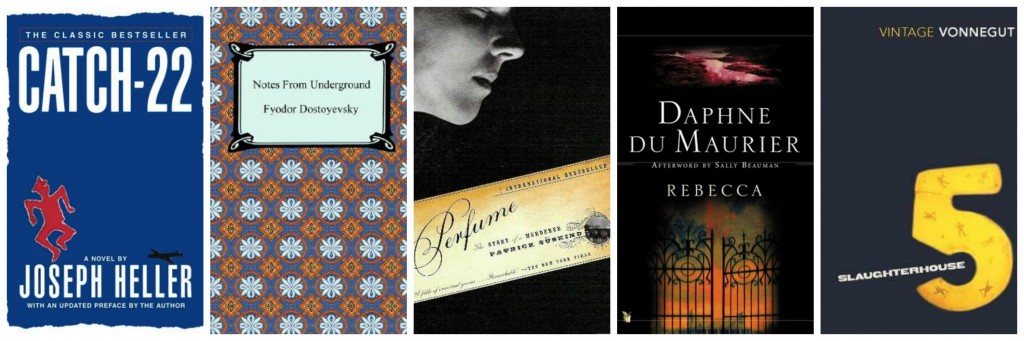
  • Catch-22 by Joseph Heller
  • Notes from the Underground by Fyodor Dostoevsky
  • Perfume: The Story of a Murderer by Patrick Süskind
  • Rebecca by Daphne du Maurier
  • Slaughterhouse-Five by Kurt Vonnegut

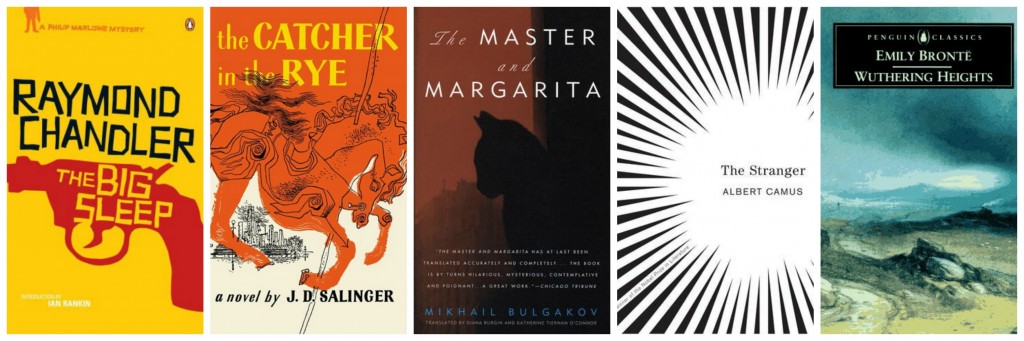
  • The Big Sleep by Raymond Chandler
  • The Catcher in the Rye by J.D. Salinger
  • The Master and Margarita by Mikhail Bulgakov
  • The Outsider by Albert Camus
  • Wuthering Heights by Emily Brontë

German Lit Month & Nonfiction November

Posted November 3, 2014 by Michael @ Knowledge Lost in Bloggers Event / 23 Comments

Now that it is November; that means it is German Literature Month as well as Nonfiction November. While this is a little last minute, I think I’m going to participate in both. I have some books that fit already planned and I’m going to get involved by reading two or three books for each.

Nonfiction November is a chance to get people reading more non-fiction and is hosted by Sophisticated Dorkiness, Regular Rumination, Doing Dewey and I’m Lost in Books. I’ve already planned on reading some non-fiction this month; which include Excavation: A Memoir by Wendy C. Ortiz, Not Drowning, Reading by Andrew Relph and Why I Read: The Serious Pleasure of Books by Wendy Lesser.


I’ve been focusing on reading more books in translation lately, so what better way to push myself than join in German Literature Month; hosted by Beauty is a Sleeping Cat and Lizzy’s Literary Life. I’ve got Look Who’s Back by Timur Vermes (translator: Jamie Bulloch) planned and I also want to re-read Perfume: The Story of a Murderer by Patrick Süskind (translator: John E. Woods). If I find more time, I wouldn’t mind dipping into some Kafka again and finally read The Castle (translator: Anthea Bell).