
 This year I decided to go a book buying ban, I was only allowed to buy books that I needed (for book clubs or study). The idea was to reduce my TBR (To Be Read) and focus on the books that are on my shelves that I haven’t read. I have so many unread books that I have a whole bookshelf in my bedroom full of books to read next. I kept to this book buying ban till very recently and what I learnt was; there is no way to reduce your TBR!
As a book blogger, you soon discover there are a lot of ways to get books you want to read without having to pay for them. Granted this is not always the case and for the books you are dying to read, it is probably better to just buy the book. I think all serious readers know the different ways to get free books. I’m not talking illegal; I’m talking about making use to your library, ebook services, galleys, egalleys and so on. You can do pretty well for yourself as a book blogger and never have to buy a book.
For me, I’m not the type of reader that focuses just on new releases so galleys (or ARCs) and egalleys (while great) was not my main source of books this year. Most of the books I read this year were actually from the library and there wasn’t much from my shelf. I spend so much time on the library website looking for books that I had on one of my Goodreads TBR’s selves (I have two on Goodreads one for books on my shelf and one for the books I don’t own) and reserving them.
So what I learnt from this experiment is I like owning books and I’m glad to be out of this book buying ban. But the main lesson was that I need to use the library more, they are a great service and I need to take full advantage of it. There is one other thing I learnt from this book buying ban and that is, some books interest you at a point in time but you often lose interest before actually reading it. There is a heap of books I wanted to read but never got around to it and I’m glad I didn’t impulse buy the books. Buzz books are interesting but sometimes you need to understand what you like to read more than what is so exciting at the time.
Have you tried a book buying ban? If so, I would love to know why you tried it and did it help you achieve what you wanted to achieve. I don’t think I’ll go on a book buying ban again but I think I will approach reading differently. My TBR is so big and I’m not sure how to reduce it, maybe I have to force myself. Let me know if you have any other thoughts on book buying bans, I would love to hear them.
 I’m currently in a reading slump and about to start another semester of university. This is not a good combination; I don’t want to struggle through my reading while trying to get good grades. This is not the first time I’ve fallen into a slump and I find it so frustrating and stressful. When I finally do break out of a slump, it is so refreshing and I feel so relieved.
 I listen to a lot of
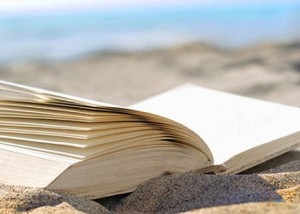 When you think about the holidays, you tend to associate memories to those locations; the foods you ate, the sights you saw, the moments in your life that are special. I’m not sure if I’m a little different or if there are others but I also associate a book or two with the holidays. Now I was away in Adelaide recently and I got to thinking about this and wondered which books I might associate with this trip.
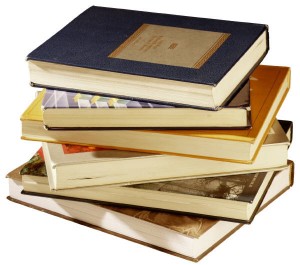 I wanted to talk about hardcovers and paperbacks because I’m interested to know people’s thoughts on the topic and because Australians do things a lot differently to the rest of the world. Most books (outside Australia) have a hardback release and normally about a year later the paperback comes out. Obviously paperback release often changes and it does depend on popularity and many other factors. Why release a novel in paperback if we can charge more for the hardback edition?

 I’ve talked a little about
 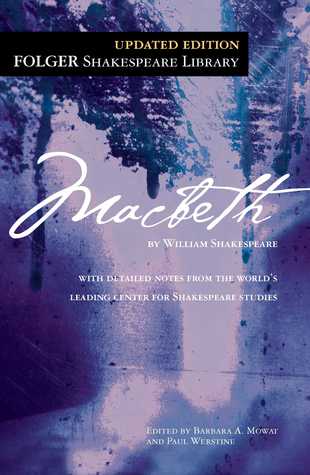 Want to be the next Shakespeare? Forget literature. Shakespeare wasn’t trying to write enlightened literary fiction. He was writing the Elizabethan equivalent of daytime television – easily digestible, relatable stories (mostly stolen from elsewhere and given a quick spit and polish to make them look and sound new) that would appeal to an audience of mostly illiterate working-class people. He didn’t care about being a great artist or creating work that would last for centuries. He just wanted to make money.